WVDOH Continues Winter Storm Blair Cleanup
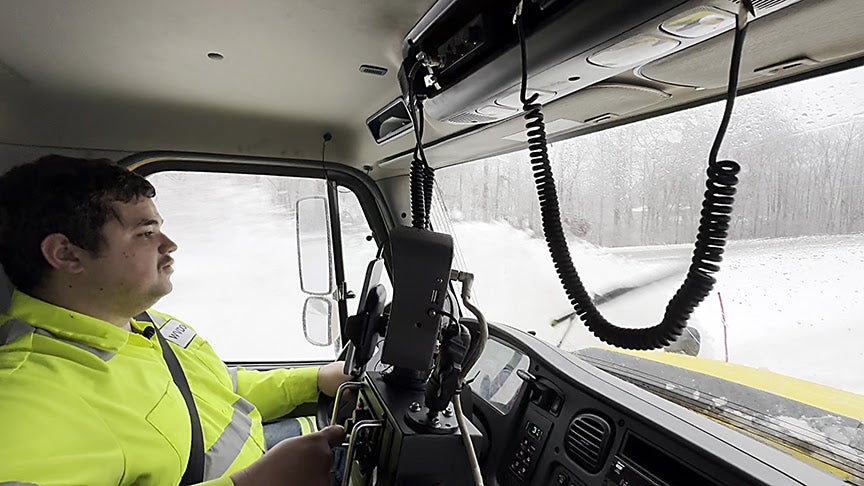
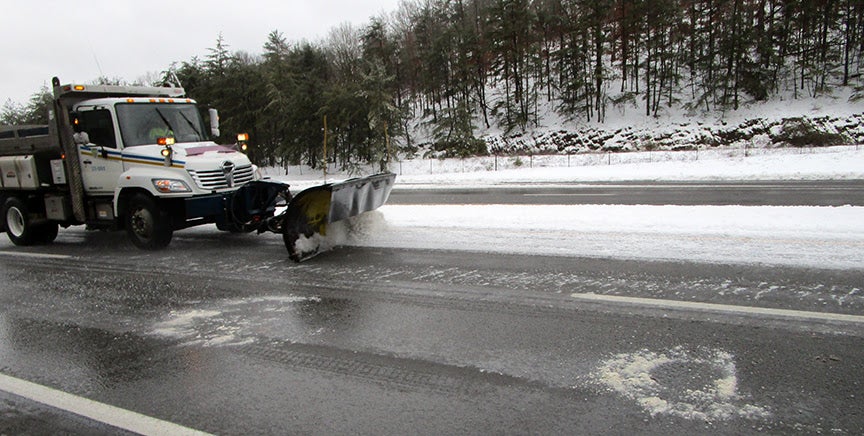
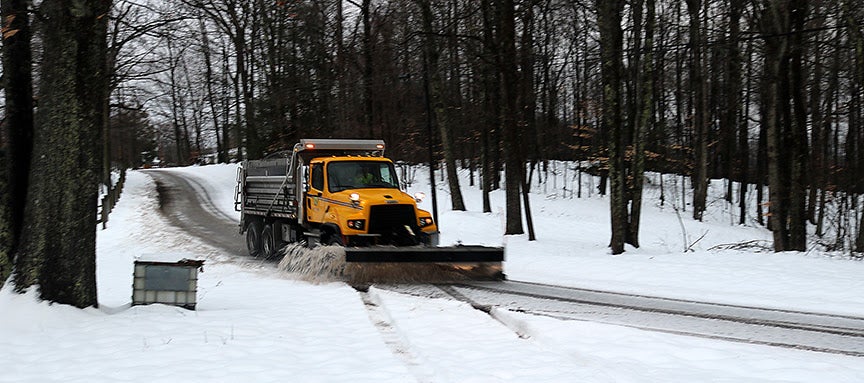
West Virginia Division of Highways (WVDOH) crews are working around the clock with approximately 1,000 snowplows to maintain the state’s highway system in the wake of Winter Storm Blair, while simultaneously preparing for a second round of winter weather expected this weekend.
As of Tuesday, January 7, 2025, WVDOH crews began shifting their focus to clearing secondary roads after diligently cleaning up primary roadways impacted by heavy snow and ice accumulation.
“It takes a certain mentality to be really good at this, and I can’t say this enough, you have to be deliberate,” said WVDOT Secretary Jimmy Wriston, P.E. “I’m glad that I have the opportunity to get out there and show those guys that do it—and have worked all night as hard as they can work—that we support them, we care about them, and they are doing a great job.”
Snow Removal Route Priorities
All roads maintained by the WVDOH are assigned to one of four priority levels and are addressed as storm conditions dictate. Once Priority 1 routes are safely accessible, crews move to Priority 2 and 3 routes. If snow begins to accumulate again, operations immediately revert to Priority 1 routes.
| Priority Level | Route Types Included |
|---|---|
| Priority 1 | Interstates, Expressways, National Highway System routes, all U.S. and West Virginia routes, and high-traffic county routes. |
| Priority 2 | All school bus routes not already classified under Priority 1. |
| Priority 3 | All remaining secondary routes, excluding park and forest roads. |
| Priority 4 | State park and forest routes. |
Winter Logistics and Strategic Preparation
The WVDOT began the winter season with a statewide stockpile of approximately 231,000 tons of salt. This baseline inventory is calculated using the agency’s 10-year annual usage average and will be continually replenished as necessary throughout the season.
To ensure maximum safety and efficiency during storms, snowplow operators actively practice their assigned routes during "dry runs" in November. This allows drivers to familiarize themselves with the terrain and locate hidden obstacles—such as mailboxes, deep ditches, and culverts—before they are buried under snow.
“If you need to be out on the roads, be deliberate, be methodical and be safe,” Wriston advised the public. “Just like these wonderful transportation workers.”
Media Resources:Click here for B-roll footage of active snow clearing operations.