Wheeling Suspension Bridge Preservation and Future Plans
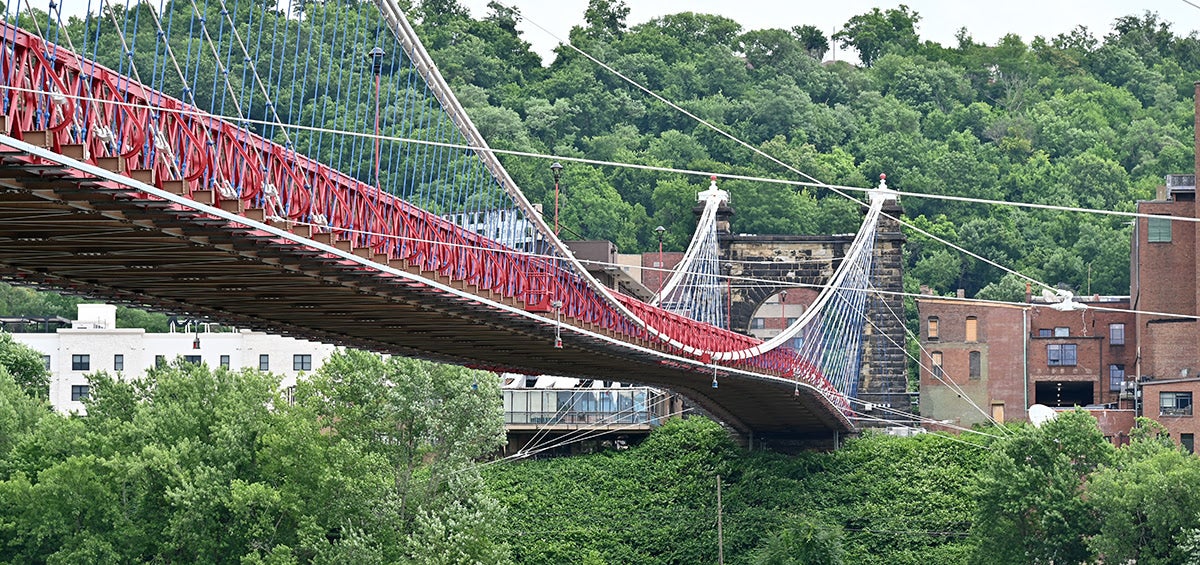
The West Virginia Division of Highways (WVDOH) met with officials from the city of Wheeling to provide an update on the future of the historic Wheeling Suspension Bridge. While the bridge can no longer safely support vehicular traffic between downtown Wheeling and Wheeling Island, the WVDOH remains firmly committed to ensuring this historic structure continues to serve as a landmark centerpiece for the community.
“The Wheeling Suspension bridge is an iconic structure. Our goal is to ensure this bridge is around for future generations to enjoy.”
— Todd Rumbaugh, West Virginia Transportation Secretary
A Legacy of 19th-Century Engineering
As the first bridge in the United States to span the main body of the Ohio River, the structure represents a monumental leap in American infrastructure. Designed by Charles Ellet Jr. and built by the Wheeling and Belmont Bridge Company, construction began in 1847, and the span officially opened to traffic in November 1849.
- National Historic Landmark: Designated in 1975, it holds the distinction of being the oldest major long-span suspension bridge in the world.
- Historical Status: Officially listed in the National Register of Historic Places in 1970.
- Engineering Marvel: Boasting a span of more than 1,000 feet, it stands as a rare, surviving example of pre-Civil War (antebellum) engineering.
“This bridge was designed and built in the days of horses and buggies. That it has lasted as long as it has is a testament to 19th-century engineering.”
— Tracy Brown, WVDOH State Bridge Engineer
Transition to Pedestrian Use and Long-Term Preservation
The bridge was permanently closed to vehicular traffic in 2019 after an overweight tour bus crossed the span in direct defiance of posted weight restrictions, causing severe structural damage. Moving forward, the WVDOH has pivoted its focus toward preserving the bridge entirely for pedestrian use.
Current preservation and engineering plans include:
- Pedestrian Enhancements: Upgrading lighting, modernizing safety signage, and adding features designed to improve pedestrian safety and community enjoyment.
- Comprehensive Preservation Study: Securing an engineering study to identify targeted preservation measures that strictly comply with National Historic Landmark Secretary of the Interior Standards.
- Structural Repairs: Reviewing advanced engineering options to reduce the dead-load weight of the bridge deck, design specialized repairs for the original 19th-century suspension cables, and replace worn timber stiffening trusses.
- Masonry Maintenance: Executing critical masonry repairs on the historic support towers, alongside a careful cleaning of the cut stone structures.
Once an engineering consultant is officially under contract, extensive coordination will begin with local citizens, state and federal resource agencies, and historic preservation groups to ensure all structural repairs maintain the historical integrity of this vital landmark.
Accessibility Statement:
The West Virginia Department of Transportation will, upon request, provide reasonable accommodations including auxiliary aids and services necessary to afford an individual with a disability an equal opportunity to participate in our services, programs, and activities. Please contact us at (304) 558-3931. Persons with hearing or speech impairments can reach all state agencies by calling (800) 982-8772 (voice to TDD) or (800) 982-8771 (TDD to voice), toll free.