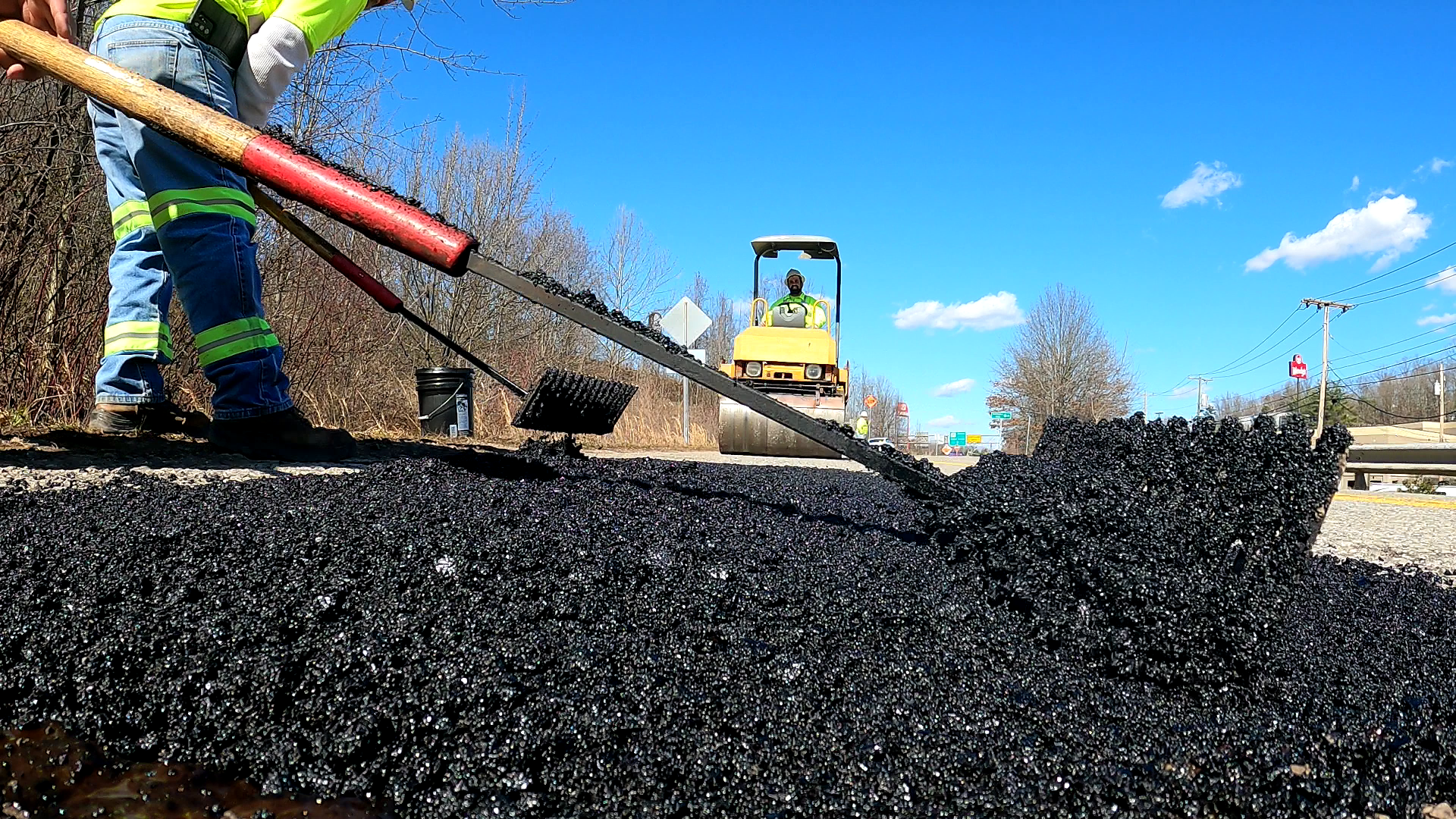
With the end of a particularly harsh winter approaching, the West Virginia Division of Highways (WVDOH) and its asphalt industry partners are gearing up to tackle the annual springtime war on potholes. Unlike recent years where mild winters allowed for early asphalt plant openings, a series of winter storms and lingering cold temperatures have delayed hot asphalt production.
“This has been the worst winter we’ve had in years. It’s perfect weather for potholes.”
— Todd Rumbaugh, P.E., Transportation Secretary
The Challenge of Weather and Materials
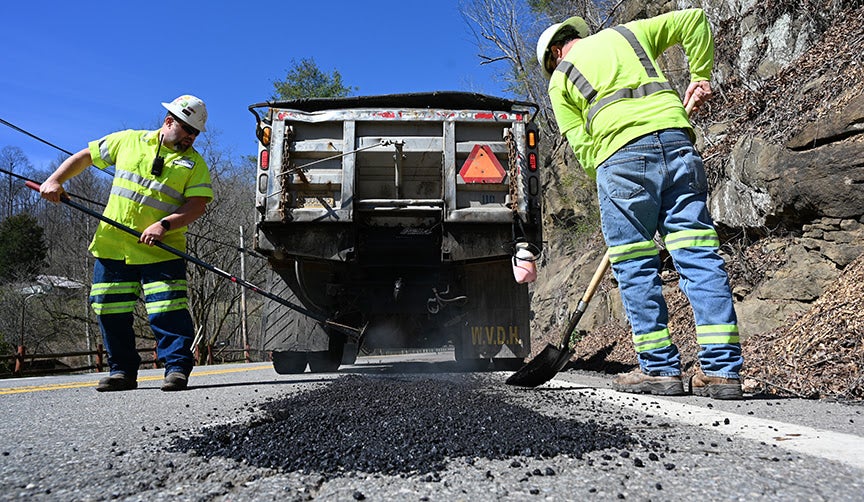
During the colder months, asphalt plants shut down for maintenance and because temperatures are too low to utilize hot asphalt. As a result, WVDOH crews are limited to using temporary cold asphalt patches to address the most severe, tire-busting potholes until permanent repairs can be made.
| Asphalt Type | Application Conditions & Durability |
|---|---|
| Cold Asphalt | Used during winter months for temporary, emergency patches on severe potholes. |
| Hot Asphalt | Requires ground temperatures above 45°F and dry weather. Provides a permanent repair that should last as long as the surrounding roadway. |
“You can’t fill potholes when it’s cold, and you can’t fill them when it’s wet. This has been the worst winter we’ve had in a decade.”
— John Crane, Executive Director, Asphalt Pavement Association
Currently, a few of the state's approximately three dozen asphalt plants have opened, with the majority expected to resume operations by the end of the month as weather improves.
The Permanent Pothole Repair Process
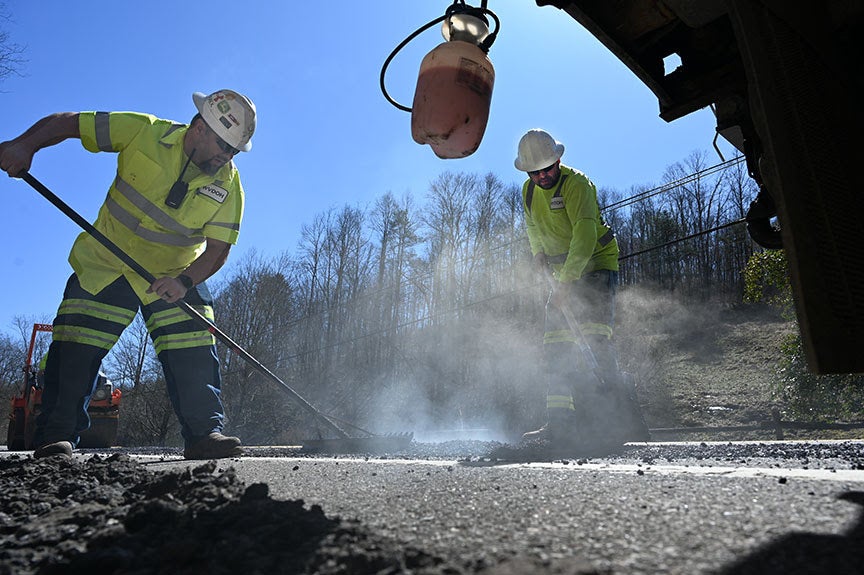
Once hot asphalt is available and weather permits, crews will perform permanent repairs using the following method:
- Milling: The area around the pothole is milled out to create a square or rectangular hole approximately two inches deep.
- Cleaning: All debris is swept out of the newly milled hole.
- Tacking: A sticky layer of tack is applied to the base to help the hot asphalt adhere to the existing road surface.
- Pouring: Hot asphalt is poured directly into the prepared hole.
- Rolling: A rolling machine flattens the asphalt, creating a smooth patch designed to be virtually unnoticeable to drivers.
Safety Reminder:“Our intention is to patch all our potholes as quickly as possible. Please be patient with us as we endeavor to patch these potholes. Slow down and pay attention to work zones for the safety of you and our workers.”
— Todd Rumbaugh, P.E.