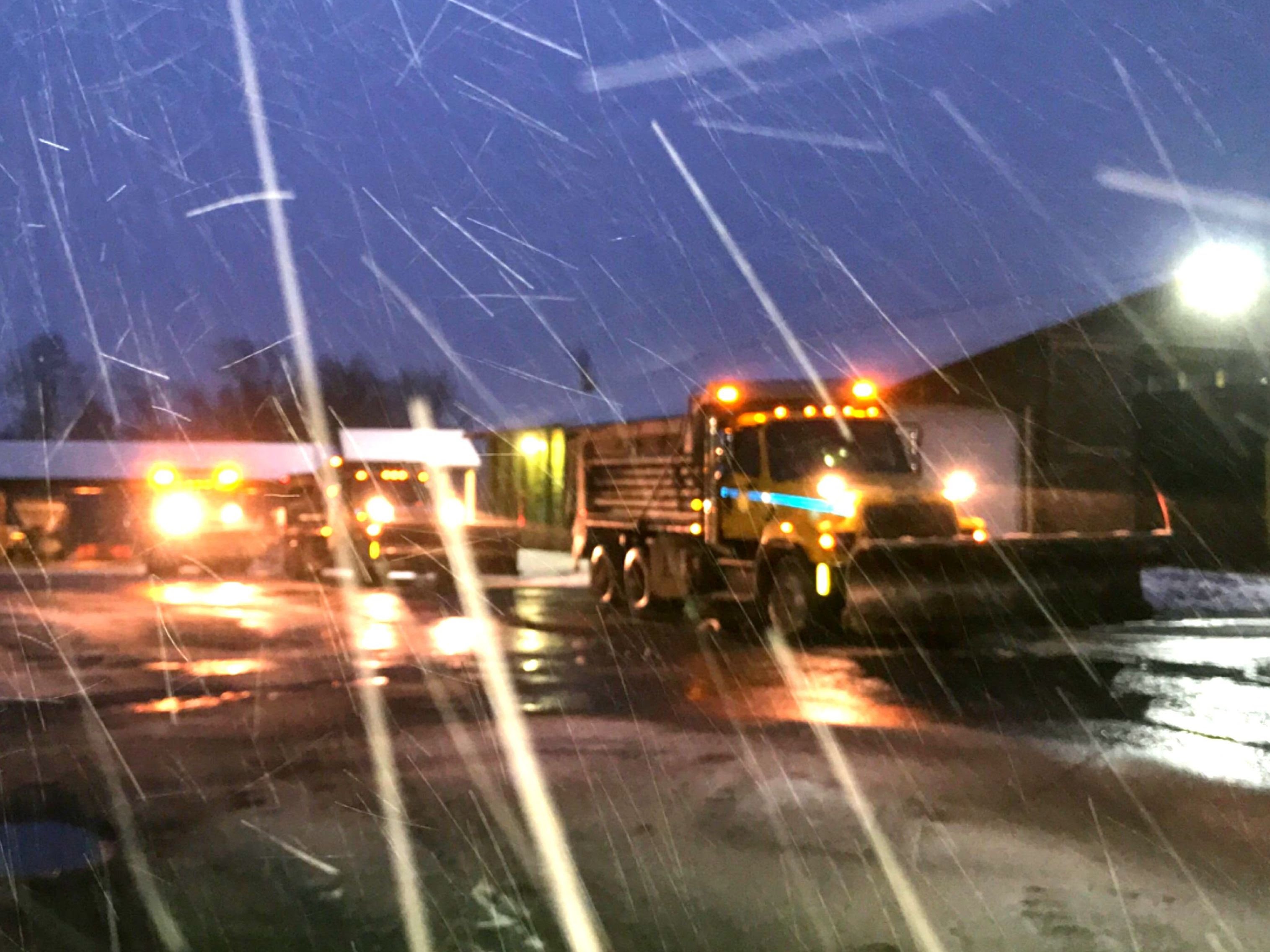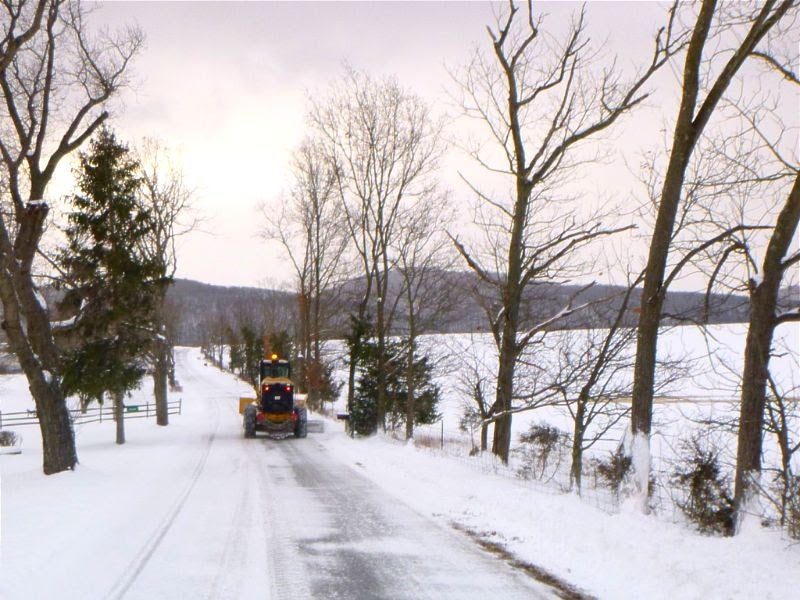
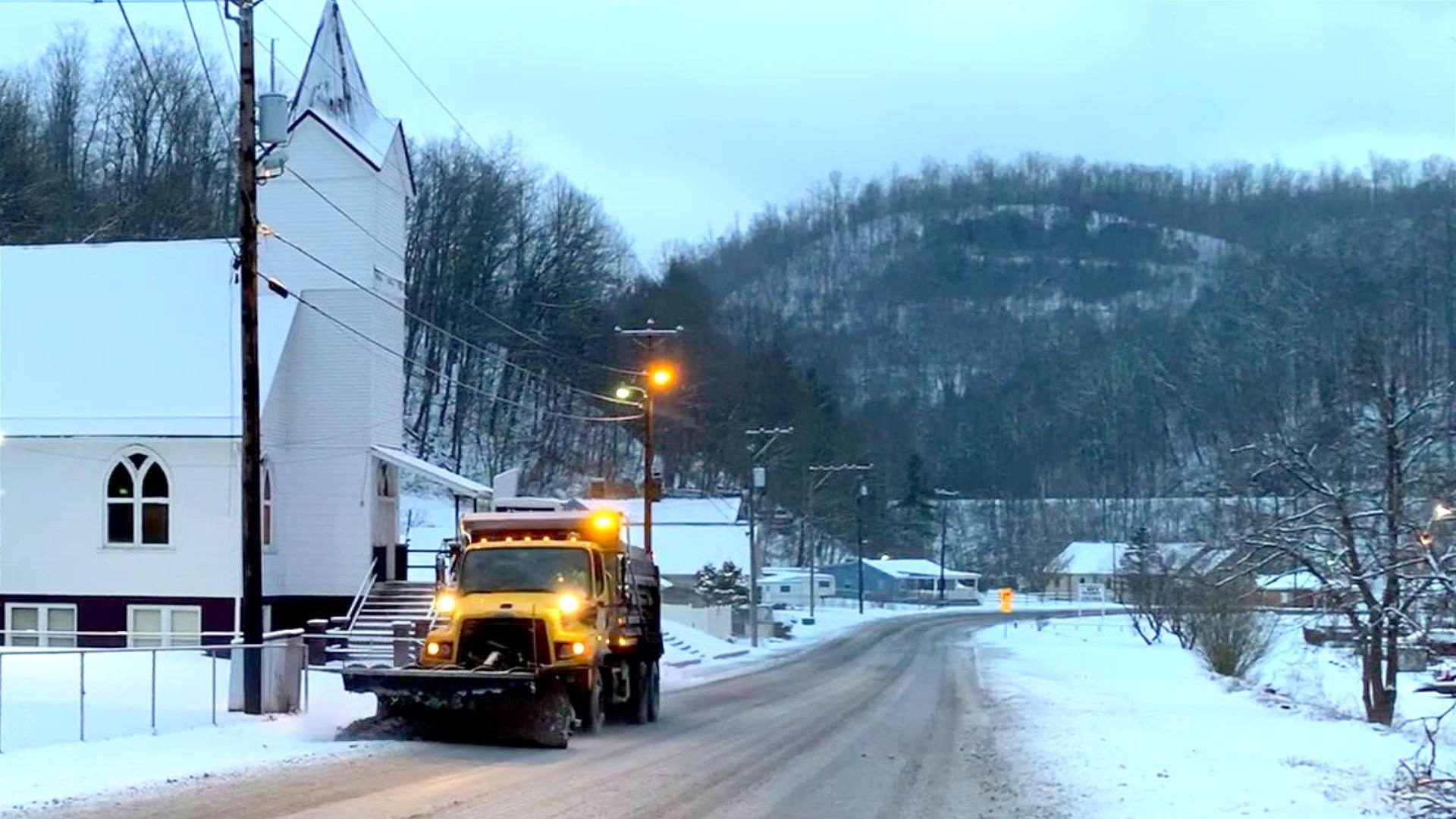
With another round of winter weather approaching, the West Virginia Department of Transportation (WVDOT) is urging motorists to exercise extreme caution on the roads. West Virginia Division of Highways (WVDOH) crews are mobilizing ahead of the weather system to pre-treat roads and ensure continuous coverage throughout the state.
| Forecast Element | Projected Impact / Action Plan |
|---|---|
| Watch Duration | Monday, Feb. 10 through Wednesday, Feb. 12 |
| Precipitation Type | Wintry mix with variable snow accumulations |
| Lower Elevation Accumulations | 1 to 2 inches expected |
| Higher Elevation Accumulations | 5 to 8 inches expected |
| Primary Mitigation Strategy | Pre-treating roadways with brine solution and shifting to 24-hour plow coverage |
“We’ll be out doing some pre-treating with brine around the state tonight and are prepared to work around the clock even before the snow starts to fall,” said Jacob Bumgarner, P.E., Chief Engineer of Special Programs and Acting Chief Engineer of District Operations. “The effectiveness of what we do will hopefully be seen because of the temperature staying right around freezing or a little above it, which is not what we saw with the last winter storm.”
District 4 Operational Strategy
In WVDOT District 4, which encompasses some of the state's most challenging mountainous terrain, maintenance teams are deploying a structured shift rotation to ensure continuous 24-hour highway coverage:
- First Shift (Preparation): Tasked with comprehensive equipment prep, ensuring snowplows are fully serviced, loaded, and positioned for immediate deployment.
- Second Shift (Removal): Responsible for active 12-hour snow and ice removal operations across designated routes the moment precipitation begins to fall.
Statewide Salt Reserves
After launching winter operations with an initial repository of 231,000 tons of salt, the WVDOH reports that material reserves remain highly sufficient for this incoming system. To ensure equity in localized responses, logistics crews have proactively transferred salt from larger centralized storage hubs to smaller local storage sheds closer to high-need routes.