Stone Arch Bridges
Engineering Insights and Structural Significance
1. The Elm Grove Stone Arch Bridge (1817)
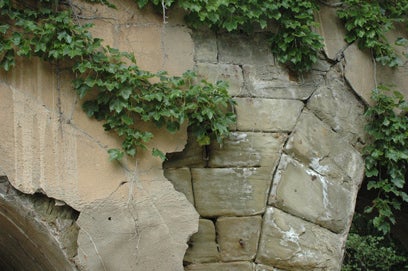
Constructed using locally quarried limestone blocks laid without extensive reinforcing steel, the Elm Grove structure represents the pinnacle of pioneer-era stone arch engineering. Built to support heavy stagecoaches, covered wagons, and livestock herds traveling along the National Road—America's first federally funded highway—the bridge has survived multiple historic floods. It stands today as a testament to the enduring physics of gravity-locked masonry arch design.
2. The Van Metre Ford Bridge (1832)
This striking three-arch limestone span in Berkeley County represents an exceptional example of early 19th-century civil engineering in the Potomac Highlands region. By utilizing a multi-centered arch layout, its builders successfully distributed the dead load of the heavy stone structure evenly across multiple mid-stream piers anchored directly into the bedrock of Opequon Creek, minimizing localized hydraulic scour.
3. The Clendenin Bridge (Early 20th Century)
As the state transitioned into a powerhouse of coal, timber, and oil extraction, infrastructure requirements shifted from slow stone masonry to rapidly deployable, high-strength metallic trusses. The Clendenin Bridge across the Elk River showcases this transition, utilizing long-span steel engineering to clear the broad waterway without impeding commercial river navigation or logging rafts.
Technical Profiles and Documentation Directories
- Clendenin Bridge Technical Profile: Engineering data sheets, truss load ratings, and a comprehensive historical overview of the Elk River infrastructure corridor.
- Elm Grove Bridge Preservation Archive: Detailed structural condition reports and material analysis records documenting the oldest active masonry bridge in West Virginia.
- Van Metre Ford Bridge Structural Record: Photographic documentation and geological surveys highlighting Berkeley County's iconic limestone masonry heritage.